
Quick Summary
To care for red velvet religious wall art, first identify its materials, then dust monthly with a soft dry brush and avoid liquids on velvet and gold. Protect it from direct sunlight, high humidity, and heat, since light fades the red dye and moisture causes mildew and warping.
- Identify whether each part is real velvet, printed, or gold leaf before choosing a cleaning method.
- Dust framed red velvet religious wall art monthly with a soft natural-bristle brush, moving along the pile.
- Never use liquids, bleach, alcohol, or polish on gold leaf or real velvet; blot spills immediately instead.
- Hang the piece away from direct sun and use UV-filtering glazing for valuable pieces to prevent red dye fading.
- Keep the piece away from bathrooms and heat sources, and check every few months for color shift or flaking gold.
Table of Contents
- How to Care for Red Velvet Religious Wall Art
- Identifying Your Red Velvet Religious Wall Art: Materials and Construction
- How to Dust Framed Religious Art Without Damaging the Velvet
- How to Clean Velvet Wall Art and Respond to Stains
- Gold Leaf Wall Art Care: Protecting Gold Detailing and Sacred Figures
- Protecting Velvet Art From Sunlight, Humidity, and Long-Term Fading
- Frequently Asked Questions
How to Care for Red Velvet Religious Wall Art
Last Updated: November 9, 2026
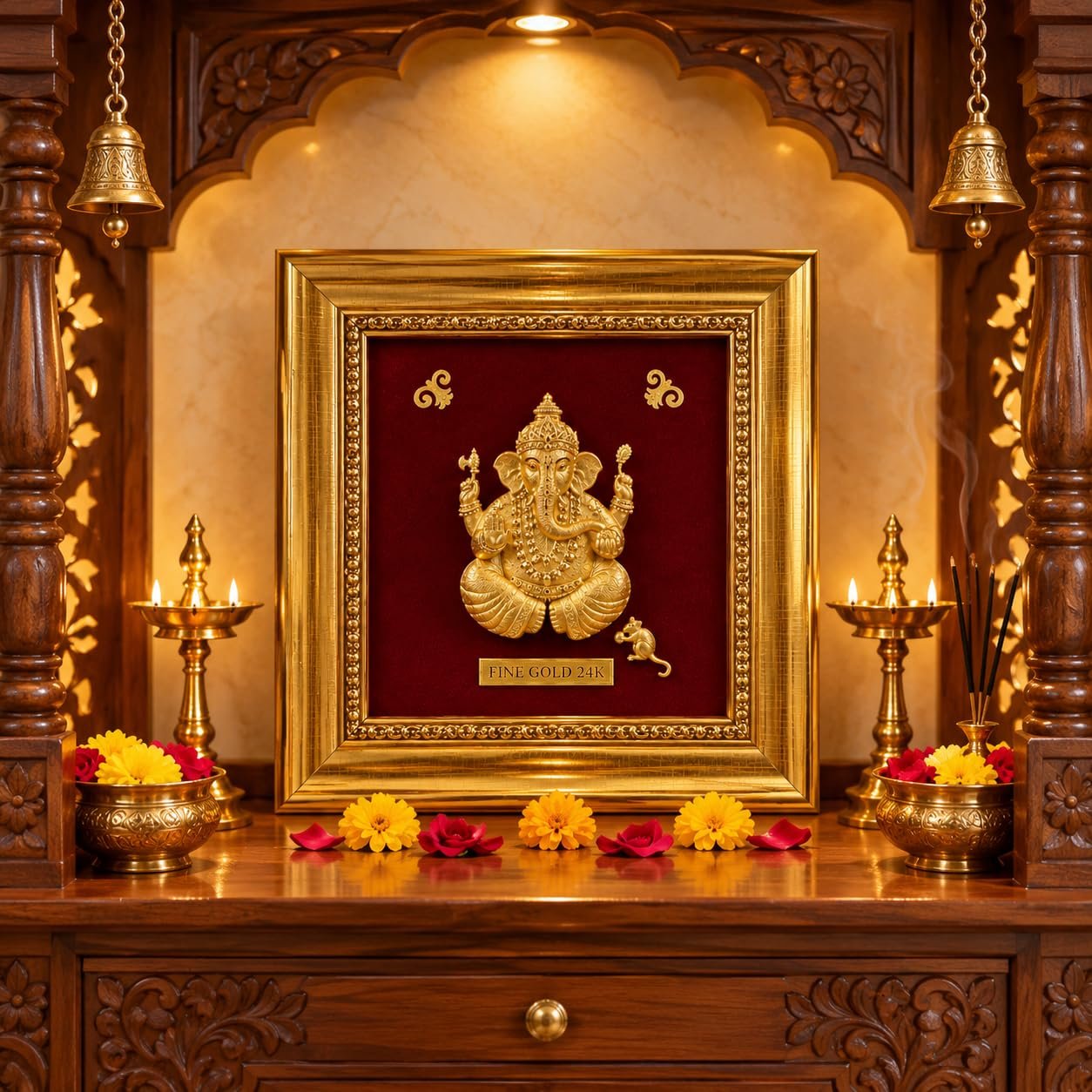
Red velvet religious wall art care starts with knowing what you own. A beautiful piece can hang in a sacred corner for years, and then the velvet looks flat and the gold dulls, leaving the owner unsure what went wrong. Most of that damage is preventable. This guide walks through identification, dusting, cleaning, gold leaf care, and protection from light and humidity, so your piece keeps its rich color and fine detail for many years.
Identifying Your Red Velvet Religious Wall Art: Materials and Construction
Red velvet religious wall art is usually a printed or painted image set against a velvet background, held in a decorative frame. Knowing which parts are real velvet, which are printed, and which are gold leaf or gold-tone finish tells you how to treat each one.
Start by checking the parts separately:
- Velvet background: Soft pile that changes shade when you tilt it in the light.
- Figure or image: Look for raised, sculpted details. Gold-coated figures often show fine texture and slight shine.
- Frame: Check whether it is wood, resin, or metal, and whether it has a glass or acrylic front.
- Backing: Note whether the piece has a paper, fabric, or board backing, and how it is attached.
Praneer's Goddess Lakshmi and Ganesha pieces use fine gold detailing on a crimson velvet background within an ornate gold-finished frame. Treat the gold areas with more care than the velvet, since they are more easily scratched.
Knowing which parts are velvet, print, or gold tells you how to treat each one. The article's main construction checks are:
| Part | What to look for | Care note |
|---|---|---|
| Velvet background | Soft pile that changes shade when tilted | Dust gently along the pile |
| Figure or image | Raised, sculpted details; gold-coated figures show texture and shine | Treat gold areas with more care |
| Frame | Wood, resin, or metal; glass or acrylic front | Check frame type before cleaning |
| Backing | Paper, fabric, or board; how it is attached | Note how it is attached |
How to Dust Framed Religious Art Without Damaging the Velvet
Dust is the most common threat to velvet, because it settles into the pile and dulls the color over time. Dusting once a month keeps it under control.
Follow these steps:
- Put on clean cotton gloves to avoid oils from your skin.
- Use a soft, dry brush with natural bristles. A clean makeup brush works well.
- Brush gently in one direction, following the pile of the velvet.
- Work from the top of the piece down, so dust falls away from the surface.
- Brush the frame last, moving slowly around the carved edges.
Avoid feather dusters, paper towels, and anything with a rough texture. These can snag the velvet or scratch the gold finish.
How to Clean Velvet Wall Art and Respond to Stains
Cleaning is where most red velvet religious wall art is damaged, because the correct method depends entirely on what the surface actually is. A real velvet pile, a velvet-effect print on canvas, a paper poster behind glass, and a gold-leaf figure each fail in a different way.
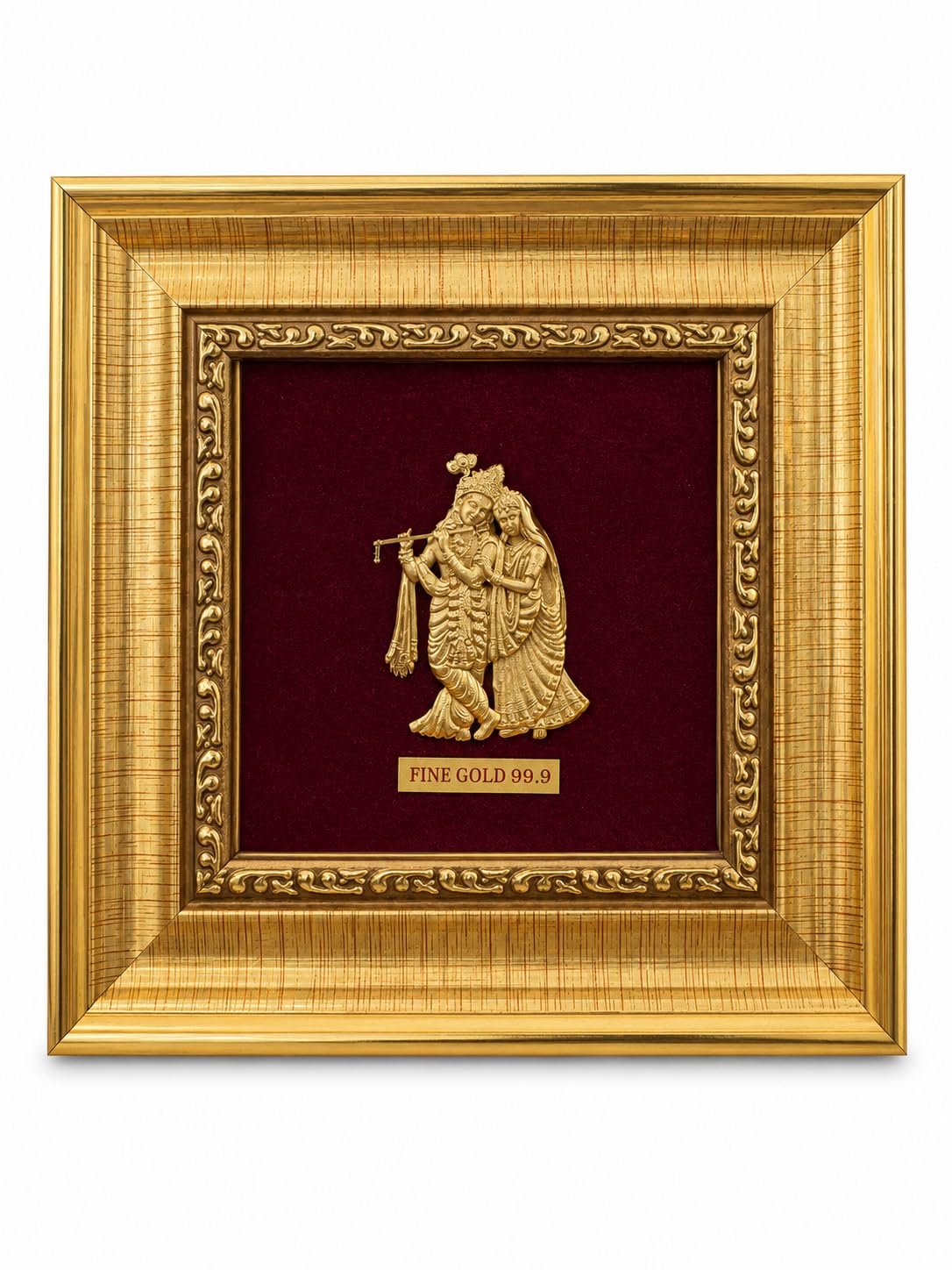
Real velvet pile (fabric surface). Velvet is a cut-pile fabric, usually rayon, cotton, silk, or a synthetic blend. The pile traps dust and crushes under pressure, and water can leave rings because the pile dries unevenly.
Velvet-effect prints on canvas or board. These are printed surfaces made to look like velvet, not actual pile. They tolerate a dry microfiber cloth and a soft brush better than real velvet, but the ink layer is the weak point.
Paper posters and prints behind glass. Clean the glass, not the art. Spray a small amount of glass cleaner onto a cloth, never onto the glass, and wipe, keeping moisture away from the frame edge so it does not wick behind the glass and stain the paper.
Gold leaf and gold-tone figures. Do not clean these with any liquid. Dust with a soft dry brush only. Polish, wax, and abrasive cloths remove the thin gold layer and leave dull patches that cannot be reversed at home.
Stain response by type.
- Liquid spills: Blot immediately with a dry white cloth, working from the outside of the spill inward so it does not spread. Do not press hard into velvet pile.
- Grease or fingerprints: A dry cloth first; if that fails, a conservator is safer than a home solvent on any gold or velvet surface.
- Mildew or musty odor: This signals moisture behind the frame or in the backing. Do not scrub. Improve airflow, lower humidity, and have the piece assessed, because mildew often returns and can spread to the frame and backing.
- Crushed or flattened pile: Gentle steam may help real velvet, but printed velvet-effect surfaces will not recover and should not be steamed.
Watch out: scrubbing a stain pushes it deeper into the pile and can permanently alter the texture, and testing a cleaner on the visible face instead of a hidden corner is how many pieces end up with a bleached patch.
If a stain does not lift with dry methods, or if the piece is antique, signed, or has sentimental or monetary value, stop home treatment and use a professional conservator. Conservators can test dyes and finishes and choose solvents that home methods cannot match.
Gold Leaf Wall Art Care: Protecting Gold Detailing and Sacred Figures
Gold leaf and fine gold detailing are delicate. The layer is thin, so even light friction can wear it down or leave visible marks. Handle the frame and figure with the same care you would give a sacred object.
Keep these habits in mind:
- Never touch gold areas with bare fingers. Oils and salt can tarnish the surface.
- Avoid placing the piece where it might be bumped, leaned against, or wiped during cleaning of nearby furniture.
- Store the piece flat and wrapped in acid-free tissue if it will not be displayed for a long period.
- Do not use polish, wax, or abrasive products on gold finishes.
Watch for flaking, cracks, or lifting in the gold. These signs usually mean the piece needs professional attention, not home repair.
Protecting Velvet Art From Sunlight, Humidity, and Long-Term Fading
Light and moisture cause more permanent damage than dust, because they act slowly and cannot be reversed. For guidance on choosing and placing luxury wall art for Indian homes, see luxury wall art pieces for Indian homes.
Light. Ultraviolet and visible light both fade dyes and degrade gold finishes. Direct sun is the worst offender, but even bright indirect light adds up over years. A buyer's guide to spiritual wall art covers where sacred pieces are best placed in the home.
Humidity and temperature. Aim for a steady indoor environment rather than a specific number, because swings do more harm than a constant moderate level. High humidity swells wood frames, can warp backing boards, and feeds mildew in the velvet pile and paper.
Mounting and hanging. Hang on a proper hook or French cleat rated for the piece's weight, not a weak adhesive strip. A sagging frame strains the backing and can crack joints.
Long-term storage. If the piece will come down, store it flat rather than leaning it, because leaning puts pressure on the frame and can distort the backing. Wrap the face in acid-free tissue and keep the piece in a dry, dark, temperature-stable space.
What to check and when. Every few months, look for color shift, especially in the red field; flaking or lifting gold; warping or joint separation in the frame; and any musty smell that suggests moisture behind the glass.
Avoid placing the piece in a bathroom or directly above a heat source, since humidity and heat can cause warping, mildew, or lifted gold.
If the piece is antique, signed, or has significant value, ask a conservator about UV-filtering glazing and climate control rather than relying on room-level adjustments alone.
Keeping your red velvet religious wall art in good condition is a small, steady routine: dust gently, respond to stains quickly, protect the gold, and keep it away from sun and damp. If you are choosing a new piece, the 11 x 9 Ganesha Fine Gold 99.9 Framed Wall Art on Red Velvet Background is a strong option that rewards this kind of care.

Frequently Asked Questions
How do you clean red velvet wall art?
Start with dry methods. Use a soft brush to lift surface dust in the direction of the nap, and avoid rubbing. Never spray liquid directly onto the velvet. Ornate or gold-leaf pieces often need dry care only, so check the care guidance that came with your piece before attempting any moisture.
Can you vacuum velvet religious wall art?
A soft brush is the recommended way to dust framed pieces with intricate scrollwork. Avoid vacuuming gold leaf or raised ornamentation, since suction can lift delicate detailing.
How should you care for gold detailing on religious wall art?
Gold leaf and fine gold detailing are thin and can scratch, flake, or tarnish with handling. Never wipe gold areas with wet cloths or household cleaners. Dust them only with a dry, soft brush, moving gently from the center outward. Keep the piece out of direct sunlight and away from high humidity, since both can dull the finish over time. Handle the frame by its edges rather than the decorated surface.
How do you protect velvet wall art from fading?
Hang the piece away from direct sunlight, especially south- and west-facing windows, because UV exposure fades the deep crimson of velvet over time. Keep it out of kitchens and bathrooms where humidity and steam build up. Rotate the display or use UV-filtering glazing if the piece is framed behind glass. Consistent indoor temperature and moderate humidity help preserve both the fabric and the gold detailing.
